The Next Pitch

The Wisdom and Inspiration of Umpires

Behind the mask, umpires carry decades of discipline, decisiveness, and deep love for the game.

Behind the Mask: Lessons from the Umpire's View

Umpires don't just call balls and strikes—they carry decades of discipline, decisiveness, and deep love for the game. For generations, these often-unsung figures have demonstrated what it means to stay calm under pressure, to own every decision, and to serve the game with integrity.

  • Interviews and stories from current and retired umpires
  • Favorite quotes and lessons from behind the plate
  • What players like Ryan have learned from working with great umpires

"An umpire has to be perfect on the first day of the season and then improve every day after that."

— Nestor Chylak, Hall of Fame Umpire

Through their clarity, authority, and consistency, umpires teach us far more than baseball—they teach us how to lead.

Calls That Changed the Game

From legendary strike zones to controversial calls that rewrote history, umpires have always played a central role in how the game unfolds. But with great responsibility comes both greatness and error.

  • Historic calls that defined moments (Armando Galarraga's near-perfect game, Don Denkinger's 1985 World Series call, etc.)
  • How the evolution of the strike zone has shifted offensive strategies
  • The tension between human judgment and fan expectations
  • Examples of when umpires elevated the sport—and when mistakes became flashpoints for change

Umpires have shaped baseball through their courage, consistency, and—yes—sometimes their imperfection. But that human element is also what makes baseball feel so alive.

Robot Umps and the Future of the Strike Zone

As technology advances, so does the pressure to make baseball more accurate. The Automated Ball-Strike (ABS) system—nicknamed the "robot ump"—is already being used in Major League Baseball. The question isn't if technology will change umpiring, but how.

  • How ABS systems work and where they're currently used
  • The pros and cons of removing human error
  • What umpires of the future may look like: hybrid roles? game managers? tech interpreters?
  • Whether removing subjectivity helps—or hurts—the soul of the sport

Technology may refine the game, but it also risks flattening the emotional drama that only a human voice behind the plate can bring. Will the next pitch be called by a person… or a processor?

Featured Umpires

Bill Klem (1874–1951)
Pam Postema (b. 1954)
Jim Joyce (b. 1955)
Jim Joyce (b. 1955)
Laz Díaz (b. 1963)
Laz Díaz (b. 1963)

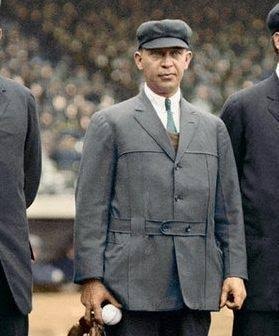
Bill Klem (1874–1951)

Known as: "The Father of Baseball Umpires"

  • Years active: 1905–1941
  • Hall of Fame inductee (1953)
  • Introduced arm signals for calls
  • Officiated 18 World Series

Klem set the standard for what it means to be an umpire—disciplined, decisive, and utterly devoted to the game.

No figure has shaped the role of the baseball umpire more than Bill Klem. Born in 1874 and active as a Major League umpire from 1905 to 1941, Klem worked more than 5,000 games and officiated in an astonishing 18 World Series—records that stood for decades. But his impact was far greater than longevity.

Klem is widely credited with formalizing the way umpires work. He was the first to wear a modern chest protector under his shirt and the first to use hand signals to make calls visible to fans—especially important in the early days of the game before widespread audio systems. Klem believed fiercely in the dignity and discipline of umpiring. He insisted that an umpire should be invisible when doing the job right, yet unflinching when making a call.

Famous for his sharp tongue and total control of the game, Klem once ejected 14 players from a single team for protesting his strike zone. His strictness earned him both criticism and admiration—but never doubt. In 1953, he became the first umpire ever inducted into the Baseball Hall of Fame, forever earning the title "The Father of Baseball Umpires."

"An umpire is supposed to be perfect on opening day and then get better every day after that."

— Bill Klem

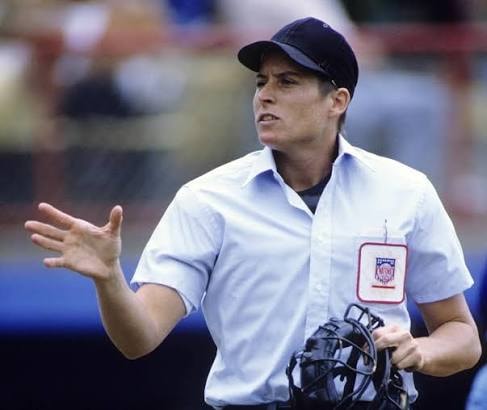
Pam Postema (b. 1954)

Known as: Trailblazer for Women in Baseball

  • First female umpire in a Major League spring training game
  • Worked in the Triple-A Pacific Coast League
  • Faced resistance but paved the way for future female umpires

Postema's courage and professionalism opened doors—and reminded the sport that skill has no gender.

When Pam Postema stepped onto the field in 1988 to umpire a Major League Baseball spring training game, she made history. It wasn't the World Series, and it wasn't a regular season game, but it was a moment that challenged over a century of norms in professional baseball: a woman in full gear, calling balls and strikes.

Postema spent 13 years working in the minor leagues, rising to the Triple-A level, where she was often considered one of the best umpires in the system. Her skills and knowledge of the game earned her the respect of many players and coaches—but not always of the system itself. Despite her success and popularity with fans, she was never offered a regular season position in the Major Leagues, a decision many believe was rooted in institutional bias rather than performance.

Her career may have been cut short, but her legacy was not. Pam Postema paved the way for future female umpires, including Jen Pawol, who in 2023 became the first woman in over three decades to umpire at the Triple-A level. Postema's determination and poise under pressure showed that what matters behind the plate isn't gender—it's grit, precision, and presence.

"I just wanted to be good enough that people forgot I was a woman."

— Pam Postema

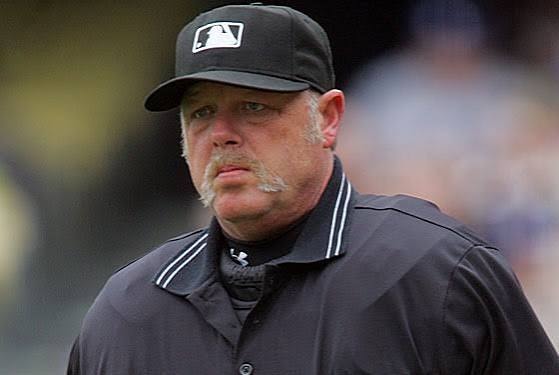
Jim Joyce (b. 1955)

Known as: The Missed Call with a Legendary Apology

  • Years active: 1987–2016
  • Missed a call that cost Armando Galarraga a perfect game
  • Publicly owned his mistake and formed a lasting friendship with Galarraga

Joyce is remembered not just for the mistake—but for the honesty, humility, and humanity that followed.

On June 2, 2010, Jim Joyce made one of the most heartbreaking calls in modern baseball history. With two outs in the ninth inning of what would have been a perfect game for Detroit Tigers pitcher Armando Galarraga, Joyce called the runner safe at first—a call that, as replay later showed, was wrong. Galarraga had beaten the runner to the bag. The perfect game was lost.

But what happened next is what made Jim Joyce a legend—not for his mistake, but for his honesty, humility, and humanity. He admitted the error publicly just minutes after the game, visibly emotional, and later apologized to Galarraga in person. The moment became one of the most talked-about examples of sportsmanship in baseball history.

Rather than define his career by the missed call, Joyce became a symbol of how to own a mistake with dignity. He and Galarraga eventually co-authored a book together called Nobody's Perfect, and their friendship stood as a testament to the grace possible within a high-pressure, high-stakes profession. Joyce umpired in the Major Leagues for nearly 30 years, including multiple playoff series and All-Star Games. But it was the call he got wrong—and the way he responded—that made him unforgettable.

"I just cost that kid a perfect game… and I'll never forget it. But I'll never run from it either."

— Jim Joyce

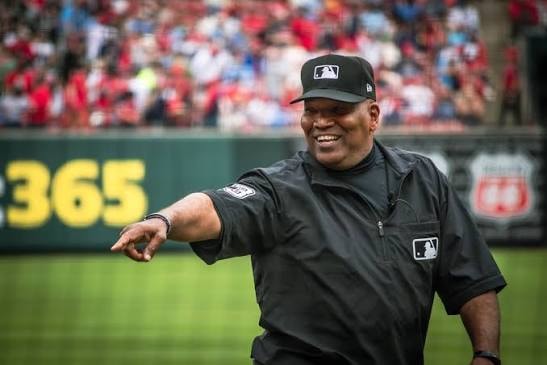
Laz Díaz (b. 1963)

Known as: Energy, Style, and Staying Cool Under Pressure

  • One of MLB's most expressive umpires
  • U.S. Marine Corps veteran
  • Brings passion and presence to every game

Díaz brings personality to the plate—and proves that umpires can command respect without disappearing into the background.

When Laz Díaz is behind the plate, fans know it. Known for his animated strike calls, his steady confidence, and a style all his own, Díaz is one of the most recognizable and respected umpires in Major League Baseball today. But beyond the flair is a serious and skilled professional with decades of experience and a deep commitment to the game.

Díaz served in the United States Marine Corps before becoming an umpire—an experience that shows in his posture, discipline, and mental toughness. Since joining MLB full-time in 1999, he has worked multiple Division Series, Championship Series, and World Series. Players respect him for his consistency, and fans often appreciate the energy he brings to every call.

Though never one to shy away from expression, Díaz maintains full command of his games. His ability to diffuse tense situations with authority and presence has made him a go-to crew chief and leader among umpires. In a game that's constantly evolving, Díaz remains a steady presence—proof that umpires can bring personality without compromising professionalism.

"If I get the call right and look good doing it, what's the harm?"

— Laz Díaz

Anecdotes & Quotes

"When I'm behind the plate, I tune everything out. It's just me, the pitcher, and the strike zone."

— Minor League Umpire, 2022

"I've been called every name in the book—but I've never been late."

— Anonymous high school ump

"Umpiring is about earning trust. Not from the fans, but from the players."

— MLB crew chief, 2018

Know an Umpire Worth Spotlighting?

We're always adding to this page. If you'd like to nominate an umpire or share a story, reach out through the contact form.